
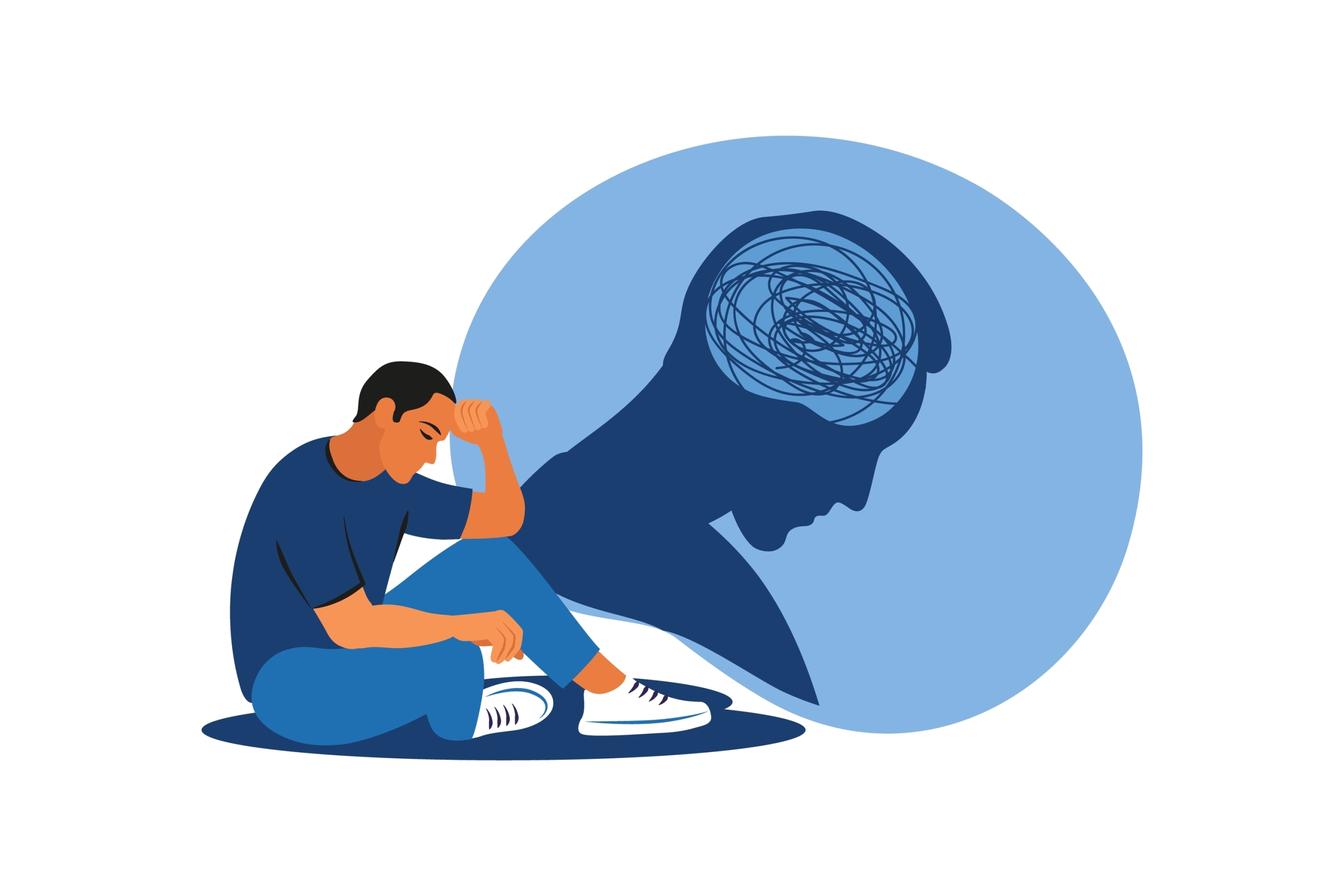
Every teenager has good days and bad days. Mood swings, emotional intensity, and periods of withdrawal are all considered part of normal adolescent development. But for some teens, the emotional highs and lows go far beyond what can be explained by the typical turbulence of growing up — and recognizing the difference can be genuinely life-changing.
Manic depression, more commonly known today as bipolar disorder, is a mental health condition characterized by significant shifts in mood, energy, and behavior that cycle between two poles: periods of elevated, expansive, or irritable mood (mania or hypomania), and periods of deep depression. While bipolar disorder is often thought of as an adult condition, it frequently emerges during adolescence — and many adults who receive a diagnosis can trace its earliest symptoms back to their teenage years.
Table of Contents
Understanding Manic Depression: The Two Poles
To recognize bipolar disorder in a teen, it helps to understand what both ends of the mood spectrum look like in adolescents, which can differ from presentations in adults.
During a manic or hypomanic episode, a teen may seem unusually energetic, euphoric, or irritable — far beyond their normal baseline. They may need very little sleep without feeling tired, talk more than usual or feel like their thoughts are racing, take significant risks (in spending, sexual behavior, or social situations), act with greatly inflated self-confidence or grandiosity, or begin many projects with intense enthusiasm but struggle to follow through. In adolescents, mania can often look more like intense irritability and explosive behavior than the classic “high” that many people associate with the condition.
During a depressive episode, the same teen may become deeply withdrawn, sad, or hopeless. They may lose interest in activities they once loved, experience significant changes in sleep and appetite, struggle to concentrate or complete schoolwork, express feelings of worthlessness, or — in more serious cases — have thoughts of self-harm or suicide.
The cycling between these states, and the significant impairment they cause in a teen’s daily functioning, is what distinguishes bipolar disorder from ordinary mood variability.
Warning Signs Parents and Caregivers Should Watch For
Because adolescent mood swings are so common, bipolar disorder in teenagers is frequently misdiagnosed or overlooked. Parents and caregivers play a crucial role in recognizing when something may be more serious. Some signs that warrant attention include:
Extreme and persistent mood episodes that last days or weeks at a time — not just a bad afternoon or a frustrating day.
Dramatic shifts in sleep patterns — sleeping only a few hours during elevated periods, or sleeping far too much during depressive phases.
Impulsive, reckless, or out-of-character behavior, especially when accompanied by an unusually elevated or irritable mood.
Periods of unusually high energy and productivity alternating with periods of complete withdrawal, inability to get out of bed, or deep hopelessness.
Academic decline that seems tied to mood states — brilliant performance during high periods and significant struggles during low ones.
Expressions of hopelessness, worthlessness, or suicidal thoughts — which always require immediate professional attention.
A family history of bipolar disorder or other mood disorders, which increases a teen’s genetic risk.
Bipolar Disorder vs. Other Teen Mental Health Conditions
One of the challenges in identifying manic depression in adolescents is that its symptoms can overlap significantly with other conditions, including ADHD, depression, anxiety, or behavioral disorders. A teen who is impulsive, easily distracted, and emotionally explosive might be evaluated for ADHD when bipolar disorder is actually present — or vice versa. Proper diagnosis by a qualified mental health professional is essential.
It’s also worth noting that mood disorders can co-occur with other conditions, which is why a thorough evaluation that looks at the whole picture of a teen’s mental health — and their full history — is so important before any treatment decisions are made.
Is Therapy the Right Option?
If you recognize the signs described above in your teenager, seeking a professional evaluation is always the right first step. A therapist or psychologist with experience in adolescent mental health can conduct a comprehensive assessment and help determine whether what your teen is experiencing is consistent with bipolar disorder, another condition, or a combination of both.
Therapy plays a crucial role in the treatment of manic depression, whether as a standalone intervention or alongside medication management (which is typically overseen by a psychiatrist). Cognitive Behavioral Therapy (CBT) and DBT-informed approaches can help teens develop skills for managing mood episodes, recognizing early warning signs, building emotional regulation, and maintaining stability in their relationships and daily life.
Therapy also provides a consistent, safe relationship in which a teen can process the experience of living with a mood disorder — the confusion, the shame, the grief that can accompany a diagnosis — in a way that builds resilience and self-understanding rather than deepening distress.
At Courageous Kids Counseling, we work with adolescents navigating a range of mood-related challenges, including depression, anxiety, and emotional dysregulation. We take a collaborative, forward-focused approach — helping teens understand their experiences, develop practical skills, and build the confidence to move forward even when life feels unpredictable.
Taking the First Step
If you’re concerned about your teenager’s mood or behavior, please don’t wait to seek support. Early intervention truly makes a difference — the sooner a teen gets the right help, the better the long-term outcomes tend to be. Schedule a free consultation with Courageous Kids Counseling today to discuss what your teen is experiencing and explore whether therapy is the right next step. You don’t have to navigate this alone.
