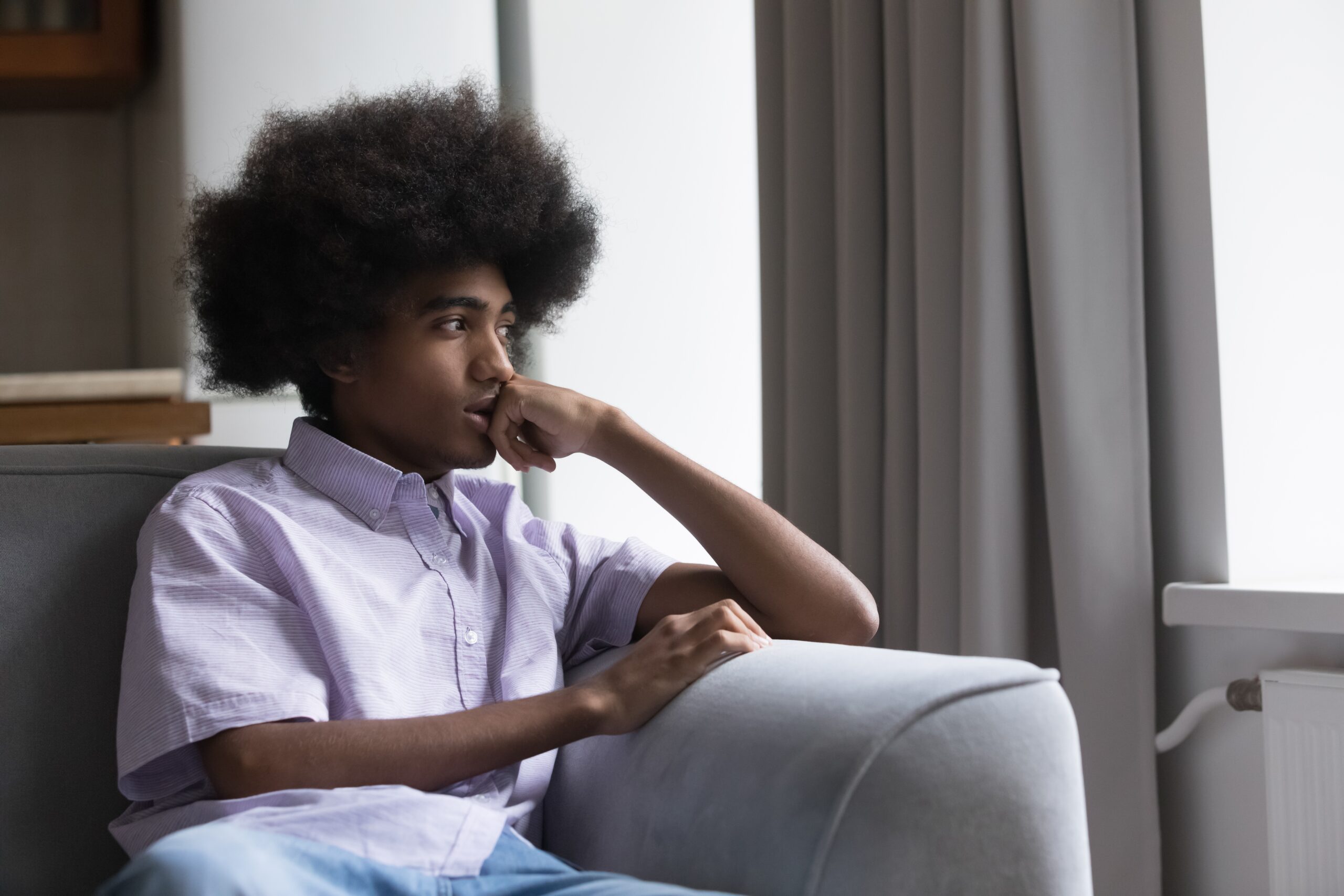
Summary:

  • Anxiety is common during adolescence, but healthy coping skills can help teens manage symptoms.
  • Simple strategies like mindfulness, physical activity, and healthy routines can reduce stress.
  • Therapy provides teens with tools to understand emotions and build resilience.
  • Parents and caregivers play an important role in supporting teen mental health.
  • Positive experiences, supportive relationships, and confidence-building activities can complement therapy and help teens grow.

The teenage years are filled with new experiences, growing responsibilities, and significant emotional changes. While it’s normal for teens to feel stressed or nervous from time to time, ongoing anxiety can interfere with school, friendships, family relationships, and everyday activities. Learning healthy coping skills early can help teens manage anxiety while building confidence and emotional resilience that lasts into adulthood.

If you’re searching for coping skills for anxiety for teens, understanding the available strategies is an important first step. While every teen experiences anxiety differently, combining healthy coping techniques with professional support when needed can make a meaningful difference.

At The Center for Courageous Kids (CCK), we understand that emotional well-being is just as important as physical health. Through inclusive camp experiences that encourage friendship, confidence, and personal growth, children and teens have opportunities to develop resilience in a supportive environment where they are accepted for who they are.

Understanding Anxiety in Teens

Anxiety is one of the most common mental health concerns among adolescents. While occasional worry is a normal part of growing up, anxiety becomes more concerning when it is persistent, overwhelming, or begins interfering with daily life.

Teen anxiety may be related to:

  • School or academic pressure
  • Social situations
  • Family changes
  • Health concerns
  • Future uncertainty
  • Major life transitions

Some teens openly express their worries, while others may become withdrawn, irritable, or avoid situations that make them uncomfortable. Recognizing these signs early allows parents and caregivers to provide support before anxiety becomes more difficult to manage.

Signs a Teen May Be Struggling With Anxiety

Every teen experiences anxiety differently, but some common signs include:

  • Excessive worrying
  • Difficulty concentrating
  • Trouble sleeping
  • Irritability or mood changes
  • Avoiding social situations
  • Physical complaints such as headaches or stomachaches
  • Restlessness
  • Changes in appetite

If these symptoms continue for several weeks or begin affecting school, relationships, or everyday activities, it may be time to speak with a healthcare provider or mental health professional.

Healthy Coping Skills for Anxiety

Developing healthy coping skills gives teens practical tools they can use when anxiety begins to feel overwhelming. While no single strategy works for everyone, encouraging teens to explore different techniques helps them discover what works best for their individual needs.

Helpful coping skills include:

Practice Deep Breathing

Slow, controlled breathing helps calm the body’s stress response and encourages relaxation. Simple breathing exercises can be practiced almost anywhere and often help teens regain a sense of control during anxious moments.

Stay Physically Active

Regular physical activity supports both physical and emotional health. Exercise helps reduce stress hormones while improving mood, sleep, and overall well-being. Walking, swimming, dancing, team sports, or simply spending time outdoors can all have positive effects.

Create Healthy Daily Routines

Consistent routines help reduce uncertainty, which can be especially helpful for teens living with anxiety. Encouraging regular sleep schedules, balanced meals, physical activity, and time for relaxation creates structure that supports emotional wellness.

Practice Mindfulness

Mindfulness teaches teens to focus on the present moment instead of becoming overwhelmed by worries about the future. Activities like meditation, guided breathing, journaling, or quiet reflection can improve emotional awareness and reduce stress over time.

Encourage Creative Outlets

Creative activities allow teens to express emotions in healthy ways. Drawing, painting, music, writing, photography, and other creative hobbies can provide positive outlets during stressful periods.

Build Strong Social Connections

Supportive friendships and positive relationships play an important role in helping teens manage anxiety. Encouraging healthy social interactions helps reduce feelings of isolation while reminding teens they don’t have to face challenges alone.

The Importance of Therapy for Teens With Anxiety

While healthy coping skills are valuable, some teens benefit from additional support through therapy. Working with a licensed mental health professional allows teens to better understand their anxiety while learning personalized strategies for managing difficult emotions.

Therapy provides a safe, supportive space where teens can:

  • Explore their thoughts and feelings
  • Learn healthy coping strategies
  • Build problem-solving skills
  • Improve communication
  • Strengthen self-confidence
  • Develop emotional resilience

Evidence-based approaches such as Cognitive Behavioral Therapy (CBT) have been shown to help many adolescents recognize unhelpful thought patterns and replace them with healthier ways of thinking and responding.

Therapy also gives teens the opportunity to ask questions, express concerns, and practice coping techniques with guidance from a trusted professional.

The Benefits of Positive Experiences and Confidence Building

Managing anxiety is about more than reducing symptoms. It is also about helping teens discover their strengths, build confidence, and develop positive experiences that reinforce resilience. Opportunities to try new activities, meet supportive peers, and achieve personal goals can improve self-esteem while teaching teens that anxiety does not have to define them.

Positive experiences can help teens:

  • Build confidence through new challenges
  • Develop healthy friendships
  • Strengthen communication skills
  • Increase independence
  • Practice problem-solving
  • Learn perseverance in a supportive environment

Whether through school activities, volunteering, sports, hobbies, or inclusive recreational programs, these experiences encourage teens to step outside their comfort zones while developing important life skills.

How Supportive Environments Promote Emotional Well-Being

Supportive environments can make a meaningful difference for teens experiencing anxiety. Feeling accepted, understood, and encouraged allows young people to focus less on their worries and more on building confidence and healthy relationships.

At The Center for Courageous Kids (CCK), campers are welcomed into an inclusive community where they can participate in traditional camp activities regardless of their medical condition or disability. Through adaptive programming, supportive staff, and opportunities to connect with peers, children and teens develop confidence, independence, and lifelong friendships.

For many campers, camp becomes a place where they can try new activities, celebrate accomplishments, and simply enjoy being themselves. These positive experiences often complement the coping skills they are learning at home or in therapy by reinforcing resilience, self-esteem, and emotional growth.

CCK believes every child deserves the opportunity to experience adventure, belonging, and joy. By removing barriers to participation, the camp helps children and teens focus on their abilities instead of their limitations while creating memories that last long after camp ends.

Frequently Asked Questions About Coping Skills for Anxiety for Teens

What are the best coping skills for anxiety in teens?

The most effective coping skills vary from person to person, but many teens benefit from deep breathing, mindfulness, regular exercise, healthy sleep habits, journaling, creative activities, and spending time with supportive friends and family. Developing a variety of coping strategies gives teens more tools to manage anxiety in different situations.

When should a teen see a therapist for anxiety?

If anxiety begins interfering with school, relationships, sleep, daily activities, or overall well-being, it is important to seek support from a healthcare provider or licensed mental health professional. Early intervention can help teens develop effective coping skills before anxiety becomes more difficult to manage.

Can therapy really help teens with anxiety?

Yes. Therapy provides teens with a safe and supportive space to understand their thoughts and emotions while learning practical strategies to manage anxiety. Evidence-based approaches, including Cognitive Behavioral Therapy (CBT), have been shown to be effective for many adolescents experiencing anxiety disorders.

How can parents support a teen with anxiety?

Parents can support teens by listening without judgment, validating their feelings, maintaining healthy routines, encouraging positive coping skills, and seeking professional help when needed. Open communication helps teens feel safe discussing their concerns and asking for support.

Can camp help teens build confidence?

For many young people, camp provides opportunities to build friendships, develop independence, try new activities, and gain confidence in a supportive environment. Inclusive camps like The Center for Courageous Kids create experiences that encourage personal growth while allowing children and teens to simply enjoy being kids.

Helping Teens Build Confidence for the Future

Learning to manage anxiety is a journey, and every teen deserves encouragement along the way. Healthy coping skills, supportive relationships, and professional guidance can help young people develop resilience while building the confidence needed to face life’s challenges.

At The Center for Courageous Kids, we believe every child and teen deserves opportunities to grow, connect, and experience the joy of childhood. Through medically inclusive camp programs, young people can build friendships, discover new strengths, and create lasting memories in a safe and welcoming environment.

Sources

https://pmc.ncbi.nlm.nih.gov/articles/PMC3916014/

https://www.cdc.gov/children-mental-health/about/about-anxiety-and-depression-in-children.html